Date
January 18, 2026
Renovating Your Akiya

Renovation Myths That Cost Buyers Millions

Avoid costly akiya renovation myths that still trap foreign buyers in 2026. Learn what’s true, what’s false, and how to renovate safely in Japan.

Renovation Myths That Cost Buyers Millions
Introduction

Most akiya renovation disasters don’t start with bad houses.

They start with bad advice.

In 2026, misinformation spreads faster than ever — especially around Japanese renovations. These myths don’t just waste money… they quietly drain millions of yen from buyers who don’t know better.

Here are the biggest renovation myths still costing buyers dearly — and the reality behind them.

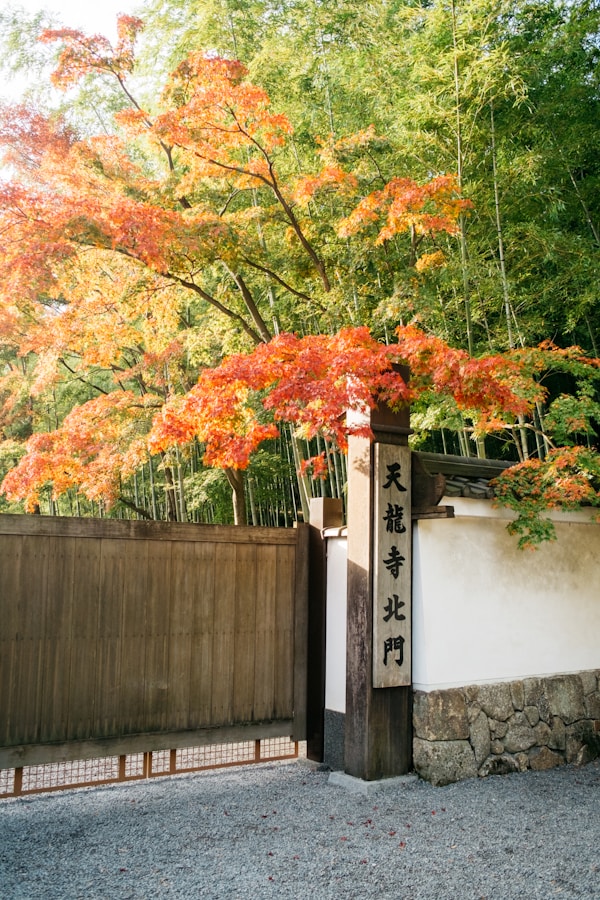
Photo by Leongsan on Unsplash

Myth #1: “Renovations Are Cheap in Japan”

This was sometimes true a decade ago.

In 2026:

  • Skilled labor is scarce
  • Rural premiums apply
  • Traditional homes require specialists

Renovations in Japan are not cheap — they’re selectively affordable.

What’s cheap:

  • Cosmetic refreshes
    What’s not:
  • Structure, utilities, roofs

Myth #2: “If Locals Lived Here, It Must Be Fine”

Many akiya were:

  • Occupied without modern standards
  • Used seasonally
  • Maintained informally

Past livability ≠ future livability.

Modern expectations expose problems that were once ignored.

Myth #3: “I’ll DIY Most of It”

Japan is not set up for large-scale DIY.

Buyers discover:

  • Permit limitations
  • Tool sourcing issues
  • Contractor-only tasks
  • Local resistance

DIY works best after professionals finish core systems.

Myth #4: “Renovation Costs Are Easy to Predict”

Old houses hide:

  • Rot behind walls
  • Termite damage in columns
  • Unstable foundations

Quotes are ranges, not guarantees.

Smart buyers budget buffers — not exact numbers.

Myth #5: “Western Renovation Logic Applies”

Common assumptions:

  • Open plans add value
  • New = better
  • Bigger kitchens matter

In Japan:

  • Structure dictates layout
  • Preservation matters
  • Simplicity sells

Western logic often increases cost without increasing value.

Myth #6: “I Can Always Resell After Renovating”

Resale depends on:

  • Location
  • Access
  • Utility quality
  • Market size

A beautifully renovated house in the wrong place is still hard to sell.

Myth #7: “Contractors Will Warn Me If It’s a Bad Idea”

Contractors:

  • Build what’s requested
  • Avoid giving investment advice
  • Don’t assess ROI

They’re not your financial advisor.

Myth #8: “Renovation Adds Value by Default”

In Japan:

  • Renovation reduces risk — not always price
  • Over-renovation is common
  • Taste-driven upgrades are unrecoverable

Value comes from confidence, not finishes.

Myth #9: “I’ve Already Spent Money, So I Should Continue”

This is the most expensive myth of all.

Sunk cost thinking leads buyers to:

  • Over-renovate
  • Ignore red flags
  • Justify bad decisions

Money spent is gone. Future money is optional.

How Old Houses Japan Helps Buyers Avoid These Myths

Old Houses Japan exists because these myths keep repeating.

We:

  • Separate renovation fantasy from reality
  • Flag money pits early
  • Help buyers walk away without guilt
  • Focus on safe, livable outcomes

Knowledge saves money — silence costs millions.

Final Takeaway

Renovation success in Japan isn’t about optimism.

It’s about realism.

If a renovation plan relies on a myth —
it’s already too expensive.

Victoria Lane
Written by
Victoria Lane
Want Full Access?
Unlock detailed property information, exclusive listings, and early access to new homes with an OHJ Premium Membership. Whether you're ready to buy or just starting your search, premium gives you the tools — and the edge — to make your dream home in Japan a reality.
Join Premium

Ready to Find Your Dream Home?

Start your journey with Luxey today! Sign up for free and get instant access to the best property listings.
Fall trees in Japan. Living room of Japanese modern house.