Date
January 15, 2026
Buying an Akiya Tips

What Inspectors Look for in Old Japanese Homes

Learn what inspectors actually look for in old Japanese homes and akiya, and how to use inspections to avoid costly renovation mistakes.

What Inspectors Look for in Old Japanese Homes
Introduction

One of the biggest misunderstandings foreign buyers have is assuming a Japanese home inspection works like it does in the U.S., Canada, or Europe.

It doesn’t.

In Japan, inspections are narrower, less standardized, and often optional — which means knowing what inspectors actually look for is critical when buying an old house or akiya.

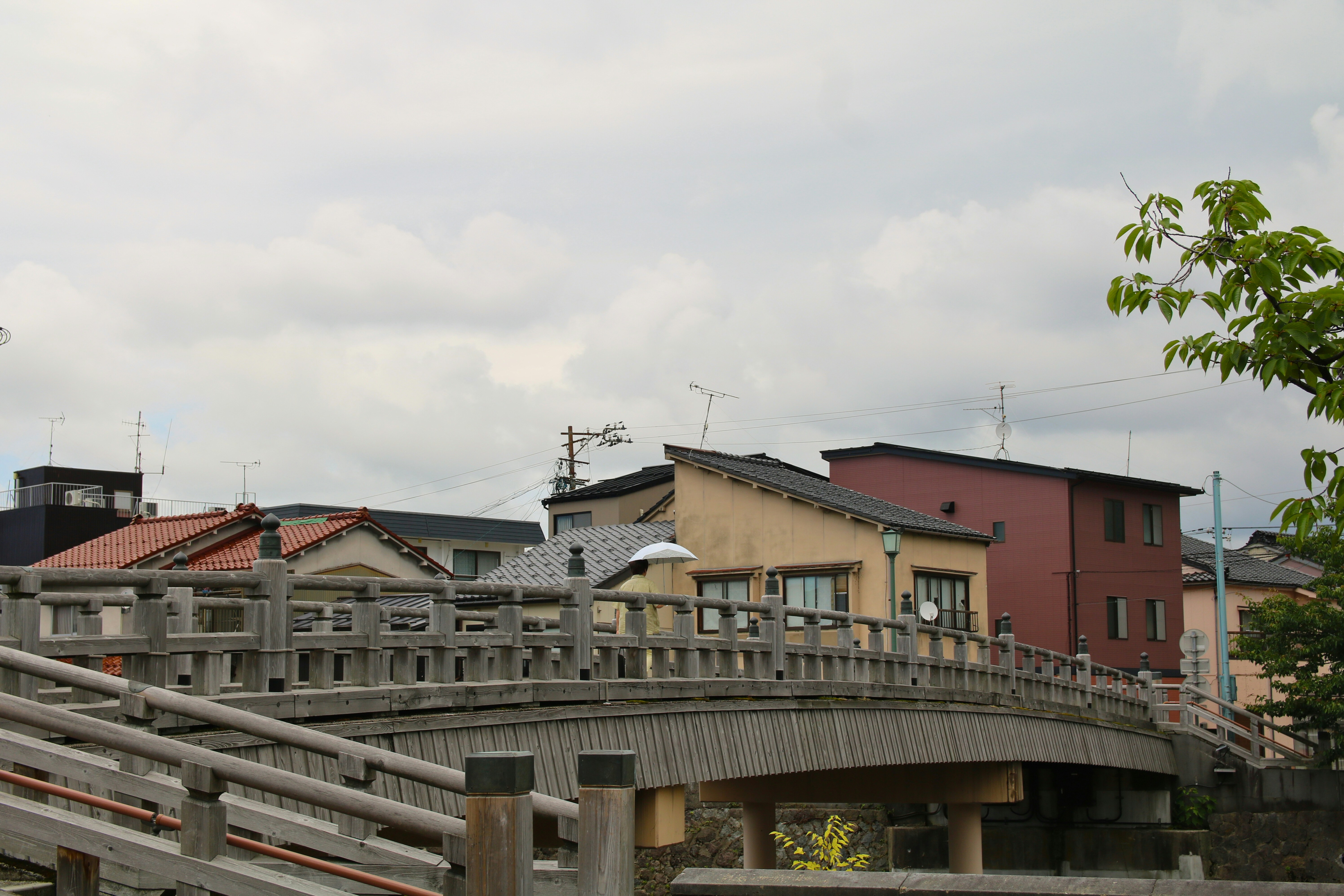
Photo by PJH on Unsplash

First: What a Japanese Inspection Is (and Isn’t)

Most inspections in Japan are:

  • Visual and non-invasive
  • Focused on safety and structure
  • Limited by what’s accessible

They usually do not include:

  • Opening walls
  • Full utility testing
  • Cost estimates

This makes buyer awareness even more important.

Structural Elements Inspectors Focus On First

✔ Foundation Condition

Inspectors check for:

  • Visible cracks
  • Uneven settlement
  • Signs of ground movement

Major foundation issues are often deal-breakers because repair costs escalate quickly.

✔ Beams, Columns, and Sills

Key areas:

  • Exposed beams in ceilings
  • Sill plates (dodai) near the ground
  • Column bases

They look for:

  • Rot
  • Termite channels
  • Moisture damage

Hidden damage here can double renovation costs.

✔ Roof & Attic Space

Inspectors look for:

  • Roof sag
  • Tile displacement
  • Past water intrusion

Attic access is limited in many akiya, which means problems can be missed.

Termites: A Top Priority in Old Homes

Termites are common in:

  • Rural homes
  • Properties near forests
  • Houses vacant for long periods

Inspectors check:

  • Wood softness
  • Mud tubes
  • Prior treatment evidence

Termite damage doesn’t always mean “don’t buy” — but it must be priced correctly.

Moisture & Ventilation Issues

Moisture causes most long-term damage in Japanese homes.

Inspectors focus on:

  • Crawl space ventilation
  • Mold under flooring
  • Condensation damage

Poor airflow is a silent killer in old houses.

Electrical & Plumbing: Limited but Important

Electrical

They typically note:

  • Panel age
  • Visible wiring condition
  • Lack of grounding

They won’t certify code compliance, but they’ll flag obvious risks.

Plumbing

Inspectors check:

  • Visible leaks
  • Pipe material (iron vs PVC)
  • Water pressure (when possible)

Full pipe condition is often unknown without replacement.

Earthquake Safety (Important, But Often Misunderstood)

For pre-1981 homes, inspectors may:

  • Note lack of modern seismic reinforcement
  • Flag unbraced walls

They usually do not calculate seismic rating unless a specialized inspection is requested.

What Inspectors Often Miss

This is just as important.

Inspectors usually don’t:

  • Estimate renovation costs
  • Assess resale value
  • Evaluate renovation ROI
  • Guarantee hidden conditions

An inspection is a tool, not a safety net.

How to Use an Inspection Properly

The smartest buyers:

  • Combine inspection + local insight
  • Use findings to renegotiate or walk
  • Focus on deal-breakers, not perfection

Perfection doesn’t exist in akiya.

How Old Houses Japan Bridges the Inspection Gap

Old Houses Japan doesn’t rely on inspections alone.

We:

  • Pre-screen properties for major structural risk
  • Explain inspection results in plain language
  • Help buyers understand what matters vs what’s cosmetic
  • Encourage buyers to walk when needed

Inspections are part of the process — not the whole process.

Final Takeaway

A Japanese home inspection won’t protect you from every problem.

But when used correctly, it will:

  • Confirm structural viability
  • Identify high-risk issues
  • Prevent emotional purchases

The real protection comes from choosing the right house first.

Victoria Lane
Written by
Victoria Lane
Want Full Access?
Unlock detailed property information, exclusive listings, and early access to new homes with an OHJ Premium Membership. Whether you're ready to buy or just starting your search, premium gives you the tools — and the edge — to make your dream home in Japan a reality.
Join Premium

Ready to Find Your Dream Home?

Start your journey with Luxey today! Sign up for free and get instant access to the best property listings.
Fall trees in Japan. Living room of Japanese modern house.