.png)
.jpg)
.svg)
September 27, 2025
How to Maximize ROI on a Japanese Country Home
Investing in Japan
View More
.svg)

Foreign buyers still make costly akiya renovation mistakes in 2026. Learn what to avoid and how to renovate Japanese homes safely and realistically.
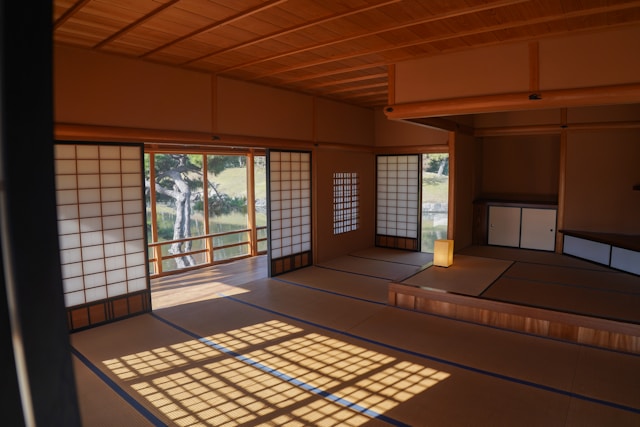

Akiya buyers in 2026 are more informed than ever — and yet the same renovation mistakes keep happening.
Not because people are careless…
but because Japan’s renovation system still works very differently than most buyers expect.
Here are the most common mistakes foreign buyers still make — and how to avoid them.
Buyers often commit based on:
Before confirming:
In Japan, cosmetic beauty often hides structural decline.
Fix:
Always prioritize structure over style. Style is replaceable — beams are not.
Japan is not a DIY culture at scale.
Common surprises:
Many buyers underestimate how much must be professionally done.
Fix:
Assume hybrid renovation — not full DIY.
Still one of the biggest mistakes in 2026.
Buyers assume:
Reality:
Fix:
Budget utilities first, aesthetics second.
In rural Japan, contractors:
The first “yes” is not always the best option.
Fix:
Compare scope clarity, not just price.
Foreign buyers often request:
These can:
Fix:
Work with the house, not against it.
Renovations take longer than expected due to:
Many buyers plan move-in dates too tightly.
Fix:
Add a 3–6 month buffer minimum.
Buyers renovate for:
Without considering:
This can lock money into unrecoverable upgrades.
Fix:
Renovate for function first, taste second.
This mistake hasn’t aged well.
In 2026:
Fix:
Expect labor costs similar to small-town Western markets.
Trying to manage renovation remotely without:
Leads to:
Fix:
Have someone local involved — always.
Old Houses Japan is built around prevention, not repair.
We:
Our goal is livable homes — not cautionary tales.
Most renovation disasters don’t start with bad houses.
They start with bad assumptions.
In 2026, the safest akiya buyers:
And remember — the right house makes renovation easier.

Start your journey with Luxey today! Sign up for free and get instant access to the best property listings.