Date
January 19, 2026
Renovating Your Akiya

How Long Akiya Renovations Actually Take

Learn how long akiya renovations actually take in 2026 and why Japanese home renovation timelines are often longer than expected.

How Long Akiya Renovations Actually Take
Introduction

One of the most common questions akiya buyers ask is:

“How long will the renovation take?”

The honest answer in 2026 is:

Almost always longer than you think — and for good reasons.

Here’s what akiya renovation timelines actually look like, why delays are normal, and how to plan without burning out or blowing your budget.

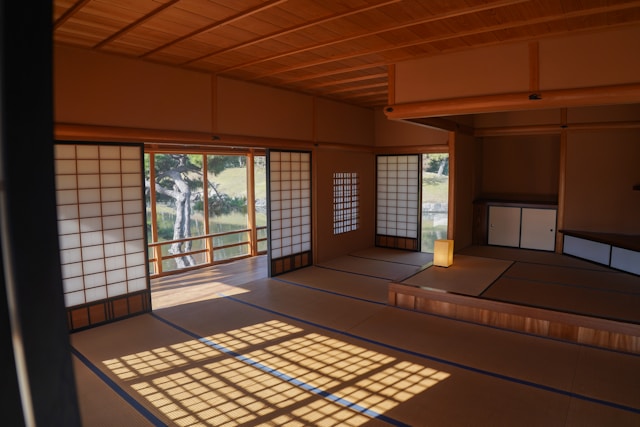
Photo by marisuu on Unsplash

First: Why Renovation Timelines in Japan Feel Slow

Japanese renovation schedules aren’t inefficient — they’re conservative.

Delays happen because of:

  • Limited skilled labor
  • Seasonal construction cycles
  • Material sourcing
  • Local coordination
  • Respect for traditional building methods

Speed is rarely the priority. Accuracy and safety are.

Typical Akiya Renovation Timelines (2026)

🟢 Light Refresh (Cosmetic Work)

Tatami, paint, fixtures, cleaning

Timeline:
1–3 months

Common delays:

  • Contractor availability
  • Weather (humidity matters)

🟡 Livable Upgrade

Plumbing, electrical, bathroom, kitchen

Timeline:
4–8 months

This is the most common category for overseas buyers.

🔴 Full Restoration

Structure, roof, insulation, layout changes

Timeline:
10–18 months (or more)

Often underestimated — especially in rural areas.

Where Time Is Usually Lost

⏳ Contractor Scheduling

Good contractors are booked months ahead.

If someone is “available immediately,” ask why.

⏳ Seasonal Constraints

  • Rainy season slows exterior work
  • Winter halts concrete and roofing
  • Summer heat limits working hours

⏳ Scope Expansion

Old houses reveal surprises:

  • Rot
  • Termite damage
  • Utility failures

Each discovery adds weeks.

⏳ Permits & Approvals

Even minor changes can require:

  • Municipal review
  • Utility coordination
  • Neighbor notification

The Overseas Buyer Delay Multiplier

Renovations take longer when buyers:

  • Aren’t on-site
  • Don’t speak Japanese
  • Rely on translated updates
  • Approve changes remotely

Each decision loop adds days or weeks.

The “Move-In Ready” Illusion

Many listings claim:

  • “Immediately livable”
  • “Minimal renovation required”

In practice, this often means:

  • Technically habitable
  • Not modern-comfort ready
  • Not rental-ready

Expect additional time post-purchase.

How to Plan a Realistic Timeline

Smart buyers:

  • Add 3–6 months buffer
  • Separate “habitable” from “finished”
  • Avoid hard move-in deadlines
  • Plan phased renovations

Urgency is the enemy of good decisions.

How Old Houses Japan Helps Keep Timelines Realistic

Old Houses Japan sets expectations early.

We:

  • Identify renovation tiers upfront
  • Flag time-intensive properties
  • Help buyers choose realistic scopes
  • Reduce mid-project surprises

The right house can save months.

Final Takeaway

Akiya renovations don’t fail because they’re slow.

They fail because buyers plan for speed instead of reality.

If you allow time:

  • Quality improves
  • Costs stabilize
  • Stress drops

Patience isn’t optional — it’s part of the budget.

Victoria Lane
Written by
Victoria Lane
Want Full Access?
Unlock detailed property information, exclusive listings, and early access to new homes with an OHJ Premium Membership. Whether you're ready to buy or just starting your search, premium gives you the tools — and the edge — to make your dream home in Japan a reality.
Join Premium

Ready to Find Your Dream Home?

Start your journey with Luxey today! Sign up for free and get instant access to the best property listings.
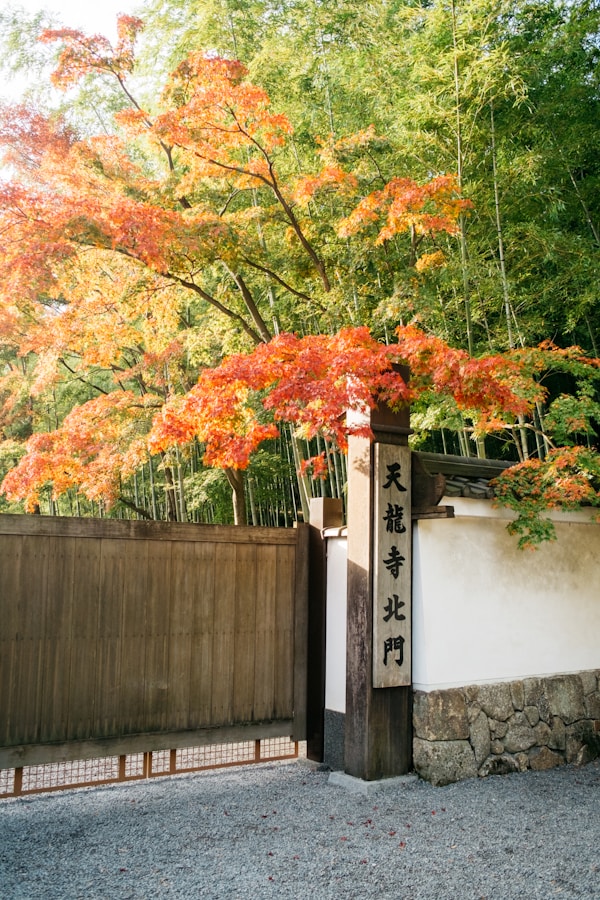
Fall trees in Japan. Living room of Japanese modern house.